
Blog
Mawal: Kashmir’s Hidden Spice & Its Uses in Food and Wellness


Kashmiri cuisine is known worldwide for its rich flavor profile, vibrant colors, and completely natural and healthy ingredients. What makes the dishes of this region different and unique is the use of exotic spices that you do not normally find in other parts of the world.
One such secret ingredient in most Kashmiri recipes is the spice called Mawal, which has been passed down through generations. This spice is known by many names such as Cockscomb Flower, Amaranth Flower, Dried Red Cockscomb, and many more.
This blog uncovers the secrets of this native Kashmiri spice in detail, highlighting its culinary wonders and health benefits. This information is going to help you realize what makes Mawal special and why you need to add it to your daily diet. So, without any further ado, let’s get started.
- What is Mawal?
- Uses of Mawal in Kashmiri Cuisine
- Popular Kashmiri Dishes That Use Mawal as an Ingredient
- Benefits of Mawal for Health and Wellbeing
What is Mawal?
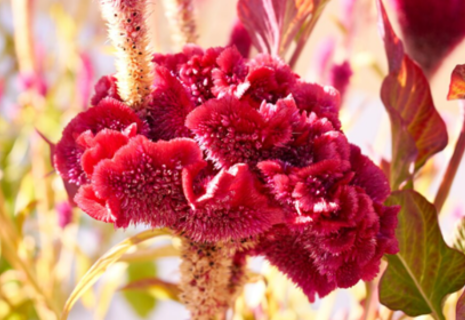
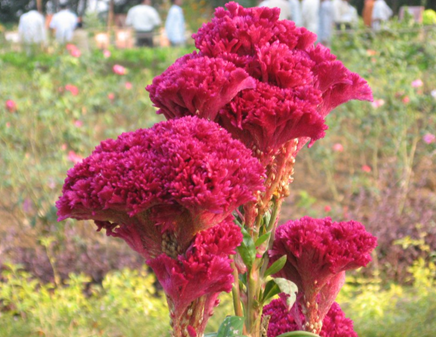
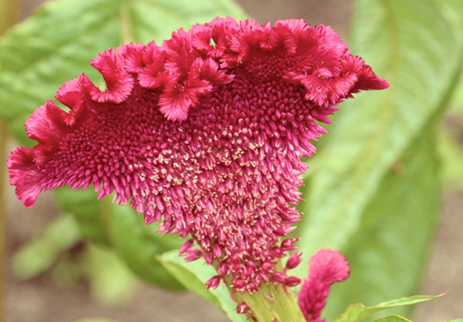
Mawal, also known as Cockscomb or Celosia Cristata (C. Argentia), is a revered flower used in several signature Kashmiri dishes like Rogan Josh, Wazwaan, and Korma to name just a few. The Mawal flower looks a lot like a rooster’s comb, which is exactly why this flower is known commonly as the cockscomb.
This natural food imparts a basil- or spinach-like flavor, a rich red hue, and natural coloring to a wide range of Kashmiri recipes.
The Mawal spice is made from dried cockscomb flowers that not only enhance your recipe’s overall aesthetics and flavor but also make it much healthier and more nutritious.
To make this healthy spice, local Kashmiris handpick the cockscomb flowers and then sun-dry them in a clean open space. The use of traditional methods ensures the spice doesn’t lose its nutritional value or vibrant color during harvesting or drying.
When using Mawal for cooking purposes, you can simply place a few dried leaves in a small amount of water in a saucepan. Now you can cover the pot and bring the water to a boil over low to medium heat for some time.
Once the water boils, reduce the heat and let the flowers simmer for about 20 minutes. This will ensure the cockscomb releases all of its natural color and nutritional components into the water.
Then, you can simply strain the liquid and use it as a flavoring and food coloring agent in many recipes of your choice.
Uses of Mawal in Kashmiri Cuisine
The following are some important culinary uses of Mawal spice that make it extra special.
- Mawal is used to add a savory flavor to traditional Kashmiri dishes that resembles a lot like basil or spinach.
- It is used in several curries as a natural food coloring.
- This versatile ingredient can be paired with meat, poultry, soup, and even salads.
- Both the fresh flowers and sundried cockscomb can be used to elevate traditional Kashmiri recipes like Rista, Lahbi Kabab, Muslim Rogan Josh and Mirchi Korma.
- It is used to add an earthy and floral hint to savory Kashmiri cuisine which is not something you can get from other spices.
Popular Kashmiri Dishes That Use Mawal as an Ingredient
The following are some important Kashmiri dishes that use Mawal as a key ingredient.
- Yakhni
Yakhni is a delectable curry made from yogurt paired with mutton or chicken. Traditionally, it comes in a pale color. However, most Kashmiri households add Mawal to the mix, which not only gives it a vibrant reddish color but also balances the yogurt’s tanginess. The final result is a visually pleasing and delicious curry that is a treat both for the eyes as well as your taste buds.
- Vegetarian Cuisine
Mawal is also used in vegetables like lotus stem, spinach, and several others. This spice makes these ordinary vegetarian dishes more colorful and flavorful, making your every bite a true delight.
- Korma
Korma is a very popular Kashmiri dish that has a rich and creamy sauce. Usually eaten with rice or naan bread, this dish has no match when it comes to flavor. The addition of Mawal to this already delicious cuisine is just the cherry on top. Mawal gives Korma a reddish tint along with an extra layer of flavor.
- Rogan Josh
Rogan Josh is a red-colored lamb curry made from a diverse mix of spices. This dish uses Mawal to give you a distinct signature hue. The intense flavor of the spices in this curry paired with the subtle earthiness of Mawal is a combination you will not forget any time soon.
Benefits of Mawal for Health and Wellbeing
Beyond its culinary value, Mawal has long been used in traditional Kashmiri households for its perceived health properties. While large-scale clinical research on Mawal specifically is still limited, the cockscomb plant (Celosia cristata) has been studied in broader ethnobotanical literature, and its nutritional profile offers several well-documented benefits.
Rich in Antioxidants
Mawal contains naturally occurring antioxidants, including flavonoids and phenolic compounds commonly found in the Celosia family of plants. Antioxidants help the body neutralise free radicals — unstable molecules linked to cellular ageing and inflammation. Incorporating antioxidant-rich ingredients like Mawal into everyday cooking is a simple way to support long-term cellular health.
A Source of Key Vitamins and Minerals
Mawal is a natural source of Vitamin A, Vitamin C, iron, and calcium. Vitamin A plays an important role in maintaining eye health and supporting the immune system, while Vitamin C aids collagen production and helps the body absorb iron more effectively. Iron is essential for healthy red blood cell function, making Mawal a useful addition to the diet for those looking to support energy levels naturally.
Traditionally Used for Digestive Support
In traditional Kashmiri and broader South Asian herbal practice, cockscomb flower has been used to ease digestive discomfort. Some ethnobotanical studies on Celosia cristata suggest the plant may support gut function, though these findings are largely observational. As with many traditional spices, the digestive benefits of Mawal are likely most effective as part of a consistently balanced diet rather than as a standalone remedy.
May Support Blood Sugar Management
Preliminary research on Celosia species has explored their potential role in blood glucose regulation. A study published in the journal Asian Pacific Journal of Tropical Biomedicine noted antidiabetic properties in Celosia argentea extracts. While Mawal should not be considered a treatment for diabetes, its traditional use in Kashmiri cuisine — where it forms part of a naturally whole-food diet — is consistent with these early findings.
Anti-Inflammatory Properties
Cockscomb plants have been noted in traditional medicine across South Asia and parts of Africa for their use in managing inflammation-related conditions. The flavonoids present in Celosia cristata are believed to contribute to this effect. Again, Mawal works best here as a dietary complement rather than a medicinal substitute — but its regular use in Kashmiri cooking means these benefits are built into meals naturally.
Skin Nourishment
The combination of Vitamin C and antioxidants in Mawal is associated with skin health, particularly in combating oxidative stress that can lead to dryness and dullness. In some traditional practices, Mawal-infused water has been used topically, though its dietary consumption is the more established route for skin-related benefits.
Note: The health information above is based on traditional use and available ethnobotanical research on Celosia cristata. It is not intended as medical advice. If you have a specific health condition, please consult a qualified healthcare professional.
Bring Authentic Kashmiri Flavour to Your Kitchen
Mawal is more than a spice it is a living piece of Kashmir’s culinary identity, carrying centuries of tradition in every dried petal. Whether you are recreating a classic Rogan Josh, adding natural colour to a vegetarian curry, or simply exploring ingredients that are both flavourful and nourishing, Mawal is a remarkable addition to any kitchen.
Looking to explore authentic Kashmiri flavours? Browse our collection of Kashmiri Saffron, Kashmiri Chili Powder, and traditional Kashmiri Kahwa — all sourced directly from Kashmir.
Frequently Asked Questions About Mawal
What is Mawal spice?
Mawal is a dried cockscomb flower (Celosia cristata) native to Kashmir. It is used as a natural food colouring and flavouring agent in traditional Kashmiri cuisine, imparting a deep red hue and a mild, earthy flavour similar to basil or spinach. It is a key ingredient in dishes like Rogan Josh, Yakhni, and Mirchi Korma.
Is Mawal the same as cockscomb flower?
Yes. Mawal is the Kashmiri name for the cockscomb flower, scientifically known as Celosia cristata. The name “cockscomb” comes from the flower’s resemblance to a rooster’s comb. While cockscomb is grown ornamentally in many parts of the world, in Kashmir it is traditionally harvested, sun-dried, and used as a culinary spice and natural food dye.
What does Mawal taste like?
Mawal has a mild, savoury flavour often compared to basil or spinach with a subtle earthy and floral undertone. It does not overpower a dish — its primary role is to add colour and a gentle depth of flavour. When simmered in water and strained, it releases a rich red liquid used as a natural food colouring in Kashmiri curries and meat dishes.
Can I use Mawal outside Kashmiri recipes?
Yes. While Mawal is rooted in Kashmiri cooking, it works well as a natural red food colouring in any recipe that calls for colour without artificial dyes — including rice dishes, soups, marinades, and salad dressings. Its mild flavour means it blends into most savoury preparations without significantly altering the taste profile.