
Blog
7 Best Dry Fruits for Naturally Glowing Skin (And How to Eat Them)

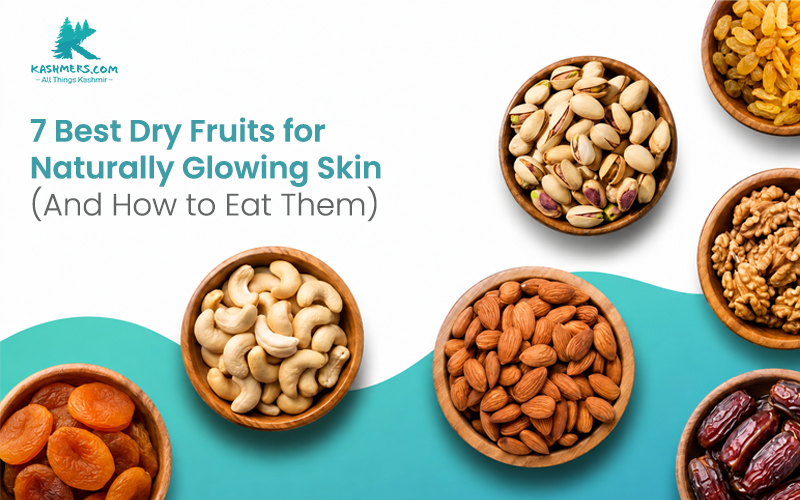
We all want skin that glows from within. But most of us go looking for it in the wrong place, on the shelves stacked with expensive creams, serums, and quick-fix treatments.
Here’s the thing. Real, lasting radiance doesn’t start on your skin. It starts on your plate.
And nature has already packed everything your skin needs into some of the tastiest little foods around: dry fruits. Loaded with vitamin E, healthy fats, antioxidants, and skin-loving minerals, they nourish your skin from the inside out. No harsh chemicals, no side effects, just a steady, natural glow.
So here are seven dry fruits worth keeping within reach, what each one actually does for your skin, and how to eat them so they work.
- Why Dry Fruits Are So Good for Your Skin
- At a Glance: Best Dry Fruits for Glowing Skin
- 1. Almonds
- 2. Walnuts
- 3. Dried Apricots
- 4. Pistachios
- 5. Cashews
- 6. Figs (Anjeer)
- 7. Dates
- A Few Simple Tips to Get the Most Out of Your Dry Fruits
- Conclusion
- Frequently Asked Questions
Why Dry Fruits Are So Good for Your Skin
Before we get to the list, let’s quickly understand why dry fruits work so well.
Your skin is your largest organ, and like the rest of your body, it needs the right nutrients to repair, renew, and stay healthy. Dry fruits are dense with exactly those nutrients. A small handful gives you a powerful mix of vitamin E, omega-3 fatty acids, zinc, selenium, and antioxidants.
What do all these do? Vitamin E protects your skin from damage and keeps it soft. Healthy fats lock in moisture and fight dryness. Zinc quietly deals with breakouts and helps things heal. And the antioxidants go after free radicals, the stuff behind dullness and those first fine lines nobody asks for.
In short, you’re not just snacking. You’re feeding your skin.
At a Glance: Best Dry Fruits for Glowing Skin
| Dry Fruit | Key Nutrients | Primary Skin Benefit | Best Way to Eat |
| Almonds | Vitamin E, Healthy Fats | Protects from damage, reduces dryness | Soaked overnight, eat in the morning |
| Walnuts | Omega-3, Zinc | Repairs skin barrier, adds plumpness | Soaked or raw, as a daily snack |
| Dried Apricots | Beta-carotene, Vitamin C | Brightens complexion, supports collagen | Soaked or raw, afternoon |
| Pistachios | Vitamin E, Biotin | Moisturises, adds natural glow | Raw, unsalted, between meals |
| Cashews | Zinc, Copper, Selenium | Controls breakouts, firms skin | Raw or soaked |
| Figs (Anjeer) | Fibre, Antioxidants, Potassium | Clears toxins, supports digestion for clearer skin | Soaked overnight, eat in the morning |
| Dates | B Vitamins, Vitamin C, Antioxidants | Anti-ageing, brightening | 2–3 daily as a snack or natural dessert |
One more thing worth knowing before we get into the list. The nutrients in dry fruits don’t stop working at your skin. Vitamin E, biotin, omega-3 fatty acids, and zinc all present in the dry fruits below are equally important for your hair. So this really is one habit doing double duty. If your hair has been looking as dull and dry as your skin, the same handful that restores your glow will likely help your strands too. Dry fruits for skin and hair work together because they feed both from the same source.
1. Almonds
If there’s one dry fruit your skin will thank you for, it’s the almond.
Almonds are one of the richest natural sources of vitamin E, the vitamin most closely linked to healthy, glowing skin. This powerful antioxidant protects your skin from sun damage and pollution. It also keeps your skin hydrated and supple. These nuts are also rich in healthy fats and protein that help with skin repair and slow down signs of ageing.
Regular almond eaters often notice softer skin, fewer dry patches, and a more even tone over time. Not bad for something you can carry in your pocket.
And not all almonds are equal here. Kashmiri Mamra almonds hold far more oil and nutrition than the flat, mass-market kind, which is exactly what makes them so good for your skin.
How to eat them: Soak 5 or 6 almonds in water overnight and have them first thing in the morning. Soaking softens them, strips off the skin, and your body absorbs more nutrients that way. Prefer them in your meals? Slice them over yoghurt, blend them into a smoothie, or sprinkle them on your salad.
2. Walnuts
Walnuts are the one dry fruit that stands out for a single, powerful reason: omega-3 fatty acids.
Most of us don’t get enough omega-3 in our diet, and our skin pays the price with dryness and dullness. Walnuts fix that. They strengthen the skin’s own barrier so moisture stays where it belongs, and you end up with that plumper, less-parched look. They also bring zinc and antioxidants along, which help calm inflammation and speed up repair.
The result? Smoother, more supple skin that looks alive.
Kashmiri walnuts, grown high in the Valley, are prized worldwide for their rich flavour and superior nutrition, which makes them a fantastic addition to any skin-friendly diet.
How to eat them: A handful of walnuts a day is enough. Eat them as a mid-morning snack, chop them into your breakfast bowl, or toss them into a homemade trail mix with other dry fruits. You can also soak them overnight along with your almonds.
3. Dried Apricots
Dried apricots are small, sweet, and seriously underrated when it comes to skin.
They’re rich in beta-carotene, which your body converts to vitamin A, a nutrient that helps repair skin tissue and keep your complexion bright and even. They also have vitamin C, which supports collagen production, the protein that keeps your skin firm and youthful. They also have antioxidants, which are a natural defence against dullness and early ageing.
Think of them as nature’s little glow-boosters.
These small treats are among the best dry fruits for brightening your skin and fostering a healthy glow. Unlike harsh products that promise a quick fix, these work in a steady, natural way that actually lasts. The beta-carotene helps gradually even out your skin tone and fade those dark patches, while vitamin C goes after pigmentation and surface dullness from the inside out. If you’re struggling with an uneven complexion, dried apricots are the one habit worth sticking to.
How to eat them: Enjoy 3–4 dried apricots as an afternoon snack when a sugar craving hits. They’re naturally sweet, so they satisfy without the crash. You can also chop them into your oatmeal, mix them into homemade energy bars, or soak them for a softer bite.
4. Pistachios
Pistachios don’t just taste great; they’re genuinely good for your skin.
These green gems are rich in vitamin E and antioxidants that protect your skin from oxidative stress. They also contain healthy fats and biotin, a nutrient known to support healthy skin and hair. Regularly eating pistachios can help keep your skin moisturized and add a natural, healthy glow.
Even better, they come with built-in portion control, because shelling them slows you down.
How to eat them: Snack on a small handful of unsalted pistachios between meals. Sprinkle them over desserts, stir them into yoghurt, or use them as a crunchy topping on your kheer or smoothie bowl. Just go for the unsalted kind to keep them skin-friendly.
5. Cashews
Creamy, buttery, and full of skin benefits, cashews earn their spot on this list.
They’re a good source of zinc, copper, and selenium, minerals that play a quiet but important role in keeping your skin clear and healthy. Zinc helps control breakouts and speeds up healing. Copper supports collagen and elastin, which keep your skin firm and stretchy. Cashews also deliver healthy fats that keep dryness at bay.
So if flaky, tired-looking skin is your worry, cashews can help.
How to eat them: Keep the portion to a small handful, since cashews are calorie-dense. Eat them raw as a snack, blend them into a creamy dairy-free spread, or add them to your morning cereal. A few soaked cashews also work beautifully in smoothies.
6. Figs (Anjeer)
Figs are one of the oldest superfoods around, and your skin loves them.
Dried figs are rich in antioxidants and carry calcium, magnesium, and potassium, and the whole mix helps clear out toxins, improve blood circulation, and leave skin looking fresher. They’re also full of fibre, which supports digestive health, and better digestion often shows up as clearer skin.
Fix the gut, and the glow tends to follow.
How to eat them: Soak 2–3 dried figs overnight and eat them in the morning for the best results. You can also chop them into your breakfast, blend them into a smoothie, or enjoy them on their own as a naturally sweet treat.
7. Dates
Dates are basically nature’s toffee, and they happen to be brilliant for skin.
They come loaded with B vitamins, vitamin C, antioxidants, and minerals that help push back on ageing and nourish the skin. The antioxidants deal with damage, and the natural sugars deliver a clean energy boost without the crash of processed sugars. Keep at it, and skin starts looking a touch younger and brighter over time.
They prove that healthy skin doesn’t have to mean giving up sweetness.
How to eat them: Eat 2–3 dates a day, either as a snack or a natural dessert. Stuff them with almonds or walnuts for a quick skin-loving bite, blend them into smoothies as a sweetener, or chop them into your porridge.
A Few Simple Tips to Get the Most Out of Your Dry Fruits
Eating dry fruits is easy. Eating them the right way makes all the difference. Keep these few things in mind:
- Soak them when you can. Almonds, walnuts, figs, and apricots are all easier to digest and more nutritious when soaked overnight.
- Watch your portions. Dry fruits are nutrient-dense but also calorie-dense. A small handful a day is plenty.
- Go for quality. Fresh, pure, single-origin dry fruits carry far more nutrition than old, over-processed ones. This is where sourcing matters.
- Stay consistent. Glowing skin is a slow reward. Eat your dry fruits daily and give your skin a few weeks to show the difference.
- Mix and match. Combine a few of these into a daily trail mix so your skin gets a full range of nutrients.
Pro tip: Keep a small jar of mixed dry fruits on your desk or in your bag. When hunger strikes, you’ll reach for something that feeds your skin instead of harming it.
Conclusion
Glowing skin isn’t something you buy in a bottle. It’s something you build, one healthy habit at a time. And few habits are as easy or as enjoyable as adding a handful of dry fruits to your day.
Almonds, walnuts, apricots, pistachios, cashews, figs, and dates each bring their own gift to your skin, from vitamin E and omega-3s to antioxidants and skin-repairing minerals. Eat them regularly, eat them right, and your skin will slowly start to reflect all that goodness.
The best part? You get to enjoy every single bite along the way.
If you’re looking for pure, premium, single-origin dry fruits to kickstart your glow, visit us at Kashmers. Explore our range of 100% natural Kashmiri almonds, Kashmiri walnuts, and more, sourced straight from the Valley and made to nourish you from the inside out.
Pair your dry fruit intake with raw acacia honey for an added antioxidant boost.
Frequently Asked Questions
Which dry fruit is best for skin glow?
If you had to pick just one, almonds are the top choice. They’re the richest natural source of vitamin E, the nutrient most directly tied to soft, glowing skin. But the honest answer is that no single dry fruit does it all. Almonds protect and moisturise. Walnuts repair and plump. Figs clear and detoxify. Dates nourish from within. A small daily mix of two or three gives your skin a far more complete range of nutrients than any one dry fruit alone.
How many dry fruits should I eat daily for glowing skin?
A small handful — roughly 20 to 30 grams — is enough to make a real difference. That works out to about 5–6 almonds, 3–4 walnuts, 2 dates, and 2–3 apricots if you’re mixing them. Dry fruits are calorie-dense, so more isn’t better here. Stick to a consistent daily portion and give your skin four to six weeks to reflect the change. Patience is part of the process.
What is the best time to eat dry fruits for skin?
Morning is ideal. Eating soaked almonds, walnuts, or figs on an empty stomach allows your body to absorb their nutrients more efficiently. Dates and pistachios work well as a mid-morning or afternoon snack when energy dips. Avoid large portions late at night — dry fruits are high in natural sugars and calories, and your digestion slows as the day ends, making absorption less effective.
Can dry fruits cause breakouts?
In reasonable amounts, most dry fruits won’t cause breakouts — in fact, zinc-rich options like cashews and almonds actively help control them. The problem usually comes down to what’s been added. Salted, sugar-coated, or heavily processed dry fruits can trigger inflammation and clog pores over time. Stick to raw, unsalted, single-ingredient dry fruits in moderate daily portions, and most people find their skin gets clearer, not worse.
Are soaked dry fruits better for skin?
Yes, and the difference is worth the extra five minutes the night before. When you soak almonds, walnuts, figs, and apricots overnight, the outer layer softens and releases enzyme inhibitors that otherwise block nutrient absorption. Soaked almonds, for example, deliver more bioavailable vitamin E — meaning more of it actually reaches your skin. Soaked figs release their fibre more readily, which supports digestion and, in turn, leads to clearer skin. If you can build the soaking habit, keep it.


