
Blog
Kashmiri Kahwa Tea: Health Benefits & How to Brew It

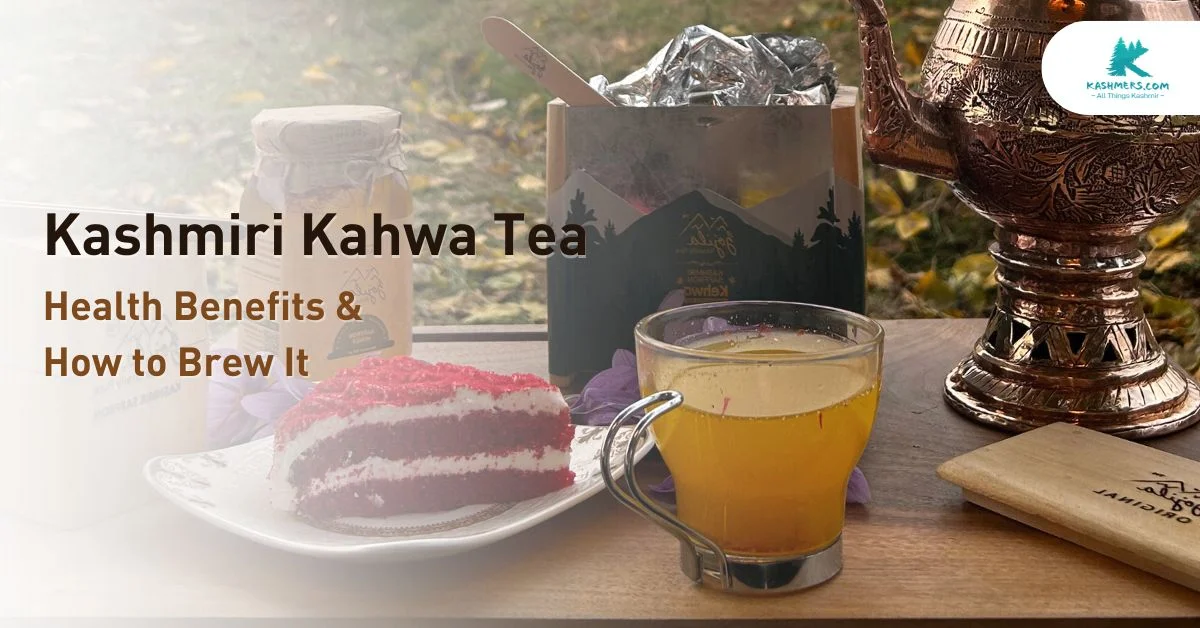
Kashmiri Kahwa tea is a traditional Kashmiri beverage that gives you a delightful combination of health, warmth, and flavor. Each sip of this wondrous drink takes you on a journey into the true Kashmiri culture and heritage.
This golden-hued drink is a symbol of Kashmiri hospitality and holistic wellness. This fragrant and flavorful tea is infused with healthy and exotic spices and natural sweeteners that guarantee an amazing taste along with several health benefits.
This blog explores the iconic Kashmiri saffron Kahwa in detail, highlighting its main features and health benefits. It also contains a traditional brewing recipe that you can follow to prepare authentic Kashmiri Kahwa to get the best experience, so stay with us till the end.
- A Little About Kashmiri Kahwa Tea
- Historical Background
- How to Brew Authentic Kashmiri Kahwa Tea
- Ingredients
- Brewing Procedure
- Health Benefits of Kashmiri Kahwa Tea

A Little About Kashmiri Kahwa Tea
Kashmiri Kahwa is a traditional green tea that is known for its rich flavor and robust aroma. This tea is brewed using Kashmiri saffron, cardamom, cloves, cinnamon, and several other flavorful ingredients that give it an unforgettable fragrance along with many health benefits.
Each ingredient of this Kahwa tea has a very specific role to play. The saffron gives the tea its iconic golden hue, green tea gives you vitamins, minerals, and antioxidants, and the cardamom and cinnamon add intensity and warmth to the flavor profile.
You can also add almonds to this tea to further elevate the drink in terms of taste and health benefits.
Historical Background
The origins of this Kahwa tea date back to the times of the Silk Road. This ancient road was a key trade route between the West, Central Asia, Persia, and the Indian subcontinent from the second century BCE to the mid-15th century.
Many traders journeyed through this route, exchanging their knowledge of tea blending, spices, and herbs with each other. These were the visitors who brought the concept of the Kahwa tea to Kashmir, where it soon became a symbol of refinement and hospitality.
This Kahwa tea has been a prized drink served at royal events and festive gatherings. It was initially prepared in Samovar kettles, which were made of brass or copper in Persian style.
Now this Kahwa has become a household commodity in Kashmir, where people cherish it daily and especially on grand feasts and other prominent occasions. The Kashmiri Kahwa tea encapsulates the rich Kashmiri culture and natural serenity, and its every sip rejuvenates both your mind and body.

How to Brew Authentic Kashmiri Kahwa Tea
To make an authentic and savory Kashmiri Kahwa tea, you need to gather all the right ingredients and use a proper brewing method. You can follow the instructions given below to make yourself this Kahwa tea in the quickest way possible.
Ingredients
Here are the main ingredients you will need to make the Kashmiri Kahwa tea
- Green Tea Leaves
- Saffron (Kesar)
- Rose Petals
- Cardamom
- Cinnamon Stick
- Cloves
- Black Pepper
- Almonds
- Water
- Sugar or Honey
Brewing Procedure
Here is what you need to do to brew a perfect cup of Kashmiri Kahwa tea
- Take a saucepan or a conventional Kahwa brewing pot and add water to it. Let it gently boil over medium heat. As a rule of thumb, you need to add one teaspoon of the mixed ingredients to every 180 ml of water to get the best flavor.
- Next, you need to add cinnamon, cardamom, and pure Kashmiri saffron to the boiling water in the saucepan. Let the spices simmer in the water for 3 to 4 minutes to give them enough time to release their flavor and aroma into the water.
- Now you can lower the heat and add the Kashmiri green tea. You need to allow the tea to steep for 2-3 minutes. Make sure not to oversteep the tea, as it can lead to a very strong and bitter flavor.
- Next, you can add sugar or honey into the cup of Kahwa to give it a sweet flavor.
- Now you can turn off the heat and let the Kahwa tea rest for one minute. This further allows the flavor to become uniform.
- Then, you can use a fine mesh sieve for straining the tea into your serving cups.
- Finally, you can put in some almond slices or crushed almonds and sprinkle rose petals over the Kahwa tea to give it an authentic and elegant touch.

Health Benefits of Kashmiri Kahwa Tea
Here are some incredible benefits of Kashmiri Kahwa tea that make it a great addition to your daily diet
- Detoxification
Kashmiri Kahwa tea cleanses your stomach, skin, and other bodily systems. By removing toxins and giving you the necessary nourishment, this tea makes you feel fresh and rejuvenated throughout the day.
- Stress Relief
A warm and soothing cup of this beverage can soothe your mind and alleviate stress. The saffron and cardamom in this tea release a calming aroma that instantly releases tension from your brain and muscles, which helps you unwind after a long day of work.
- Alleviates Common Cold Symptoms
If you suffer from a common cold or seasonal allergies, you can have a cup of Kashmiri Kahwa tea to reduce the symptoms. This natural remedy soothes your sore throat, fights coughing, and lessens the intensity of the cold.
- Enhances Heart Health
Kashmiri Kahwa tea is also known to regulate your cholesterol levels and improve blood circulation. This leads to steadier blood pressure, which reduces the risks of several heart diseases.
- Gives You an Energy Boost
This tea is an excellent energy source that revitalizes your body without any side effects. Having a cup every day can keep your energy levels stable, which leads to an active mind and body.
- Boosts Digestion and Improves Metabolism
The spices used in Kashmiri Kahwa tea support a healthy digestive system by stimulating digestive enzymes, reducing constipation and bloating, and helping you break down heavy meals quickly.
The anti-inflammatory features of this tea soothe your intestinal lining, which reduces feelings of discomfort. The natural ingredients of this tea promote faster calorie burning, which speeds up your metabolism.
- Helps in Weight Loss
The combination of antioxidants and metabolism-boosting elements in Kashmiri Kahwa tea allows you to manage your weight better. Regular use of this tea increases your feeling of fullness, which eliminates food cravings.
- Enhances Immunity
This Kahwa is rich in antioxidants, vitamin B12, and other essential vitamins and minerals. Having this tea regularly can lead to reduced oxidative stress, faster cell repair, and a heightened ability to fight infections and common colds. This gives you an immunity boost, which allows you to live a healthier and more fulfilled life.
Kashmiri Kahwa Side Effects and Who Should Limit It
Kashmiri kahwa is safe for most healthy adults when consumed in moderation, but there are a few side effects worth knowing before making it a daily habit.
Caffeine Sensitivity
Kashmiri kahwa is made with green tea, which contains caffeine. A standard cup contains roughly 25 to 40mg of caffeine, less than coffee but enough to cause issues in people sensitive to stimulants. If you experience restlessness, disrupted sleep, or a rapid heartbeat after drinking green tea, the same can occur with kahwa. Avoid drinking it in the evening or after 4pm if you are caffeine-sensitive.
Saffron in Large Amounts
Saffron is one of kahwa’s key ingredients and is safe in the small quantities used in a standard cup. The concern arises with overconsumption. Consuming more than 1.5 grams of saffron per day, which would require an unusually large number of cups, can cause headaches, nausea, and dizziness. Sticking to one or two cups daily keeps saffron intake well within safe limits.
Pregnancy Precautions
Pregnant women are generally advised to limit saffron intake, particularly in the first trimester. While the amount of saffron in a single cup of kahwa is small, drinking multiple cups daily is not recommended during pregnancy. Consult your doctor before including kahwa regularly in your diet during this period.
Interaction with Blood-Thinning Medications
Both green tea and saffron have mild blood-thinning properties. For people taking anticoagulant medications such as warfarin, consuming kahwa in large quantities may amplify this effect. If you are on blood-thinning medication, speak to your doctor before adding kahwa to your daily routine.
Who Should Avoid Kashmiri Kahwa
Kashmiri kahwa is not suitable in the following situations:
- Children under 12, due to caffeine content
- People with severe anxiety disorders, as caffeine can worsen symptoms
- Those with a known allergy to any ingredient, including saffron, cardamom, or cinnamon
- Individuals with iron deficiency anaemia who consume it with meals, as the tannins in green tea can reduce iron absorption
How Much Kahwa Is Safe Per Day
One to two cups of Kashmiri kahwa per day is a reasonable limit for most healthy adults. Drinking it in the morning or between meals is preferable to having it immediately after food if iron absorption is a concern.
Conclusion
Kashmiri Kahwa tea is a lot more than a regular beverage that you can have from time to time. This Kahwa has a long history and significance that spans several centuries.
This pure Kashmiri beverage is a powerhouse of flavor and health. Every sip of this drink instantly alters your physical and mental state, allowing you to feel relaxed and rejuvenated.
You can use the method given above to create an authentic Kashmiri Kahwa tea in no time. Just make sure to buy your Kahwa and other ingredients from a reputable source that promises the highest quality and purity to get the best results.
Kashmers brings you authentic Kashmiri Kahwa that comes with a blend of exquisite secret spices. You can visit our website to explore our wide range of high-quality Kashmiri Kahwa to get the most original flavor with countless health benefits.
Frequently Asked Questions About Kashmiri Kahwa
What are the health benefits of kahwa tea?
Kashmiri kahwa contains antioxidants from green tea and saffron that support immune function, digestion, and metabolism. The combination of cinnamon, cardamom, and cloves has anti-inflammatory properties, and saffron is associated with improved mood and stress reduction. Regular, moderate consumption may support weight management and cardiovascular health, though it works best as part of a balanced diet rather than as a standalone remedy.
Does kashmiri kahwa have any side effects?
Yes, though they are uncommon when kahwa is consumed in moderation. The most frequently reported issues are related to caffeine sensitivity, since kahwa is made with green tea. Saffron, one of its core ingredients, can cause nausea or headaches if consumed in very large quantities. Pregnant women and people on blood-thinning medications should consult a doctor before drinking kahwa regularly.
How many cups of kahwa can you drink per day?
One to two cups per day is the recommended limit for most healthy adults. Drinking more than this increases caffeine intake and, over time, saffron intake to levels that may cause discomfort. The best time to drink kahwa is in the morning or mid-afternoon, not immediately after a meal if you have concerns about iron absorption.
What is the difference between kashmiri kahwa and regular green tea?
Regular green tea is made from dried Camellia sinensis leaves steeped in hot water. Kashmiri kahwa uses the same green tea base but adds whole spices such as cardamom, cinnamon, cloves, and saffron, along with crushed almonds or walnuts in some variations. This gives kahwa a richer, spiced flavour and a broader nutritional profile than plain green tea. It also contains more antioxidant compounds due to the addition of saffron.
Is kashmiri kahwa good for weight loss?
Kashmiri kahwa is not a weight loss product, but it may support weight management as part of a healthy routine. Green tea has been studied for its mild metabolism-boosting effect due to catechins and caffeine. Saffron has shown some evidence of reducing appetite in preliminary research. Kahwa is low in calories when consumed without sugar, making it a reasonable substitute for high-calorie beverages.
Can I drink kashmiri kahwa on an empty stomach?
Most people can drink kahwa on an empty stomach without issue. However, if you are sensitive to caffeine or have a history of acid reflux, drinking it after a light snack is a better option. The spices in kahwa, particularly cloves and cinnamon, can cause mild irritation in people with sensitive stomachs when consumed before eating.


